NIDO PROGRAM
A Gentle Beginning Rooted in Trust
The first years of life are a time of extraordinary growth. In our Nido community, infants and young toddlers are welcomed into a calm, nurturing Montessori environment where secure relationships, freedom of movement, and growing independence are thoughtfully supported.
Low furniture, open floor space, carefully chosen materials, and predictable daily rhythms allow each child to explore safely and participate at their own pace. Our educators observe closely, respond respectfully, and provide just the right amount of support as children develop movement, communication, confidence, and trust in themselves and the world around them.
Kirkland Campus: 6–18 months
Bellevue Campus: 12–24 months
QUALITY INTERACTIONS
Warm, responsive, and unhurried interactions help each child develop trust, emotional security, and a strong sense of belonging.
Low student teacher ratio 3:1.
FREEDOM OF MOVEMENT
Open floor space and developmentally appropriate materials encourage children to move, explore, and strengthen their bodies naturally.
GROWING INDEPENDENCE
Children are invited to participate in feeding, dressing, self-care, and everyday routines as their abilities gradually emerge.
A DAY IN OUR NIDO COMMUNITY
A Predictable Rhythm, Guided by Individual Needs
Each day follows a calm and familiar rhythm while remaining responsive to each child’s needs for movement, nourishment, care, connection, and rest.
ARRIVAL AND CONNECTION
Children are welcomed individually and given time to transition into the classroom with the support of a familiar educator.
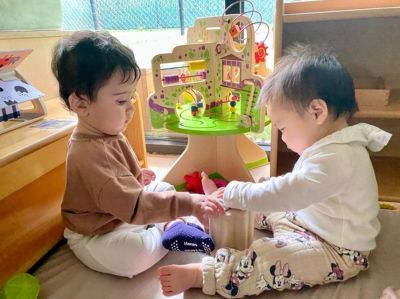
MOVEMENT AND EXPLORATION
Children freely explore the prepared environment, practice emerging movement skills, and engage with materials selected for their current stage of development.
MEALS AND PERSONAL CARE
Feeding, diapering, handwashing, and dressing are treated as meaningful learning experiences. Educators slow down, communicate each step, and invite children to participate according to their abilities.
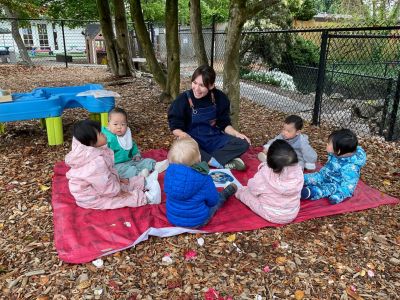
OUTDOOR EXPERIENCES
Time outdoors offers fresh air, sensory discovery, physical movement, and opportunities to observe the natural world.
REST AND QUIET MOMENTS
Children are supported in resting according to their developmental needs and the classroom rhythm, with thoughtful transitions that help them feel secure and comfortable.
The rhythm of the day remains flexible, allowing educators to respond to each child while providing the consistency and predictability young children need.
PARTNERING WITH FAMILIES
Continuity Between Home and School
Families know their children best, and close communication helps us provide consistent, individualized care. Educators share observations about meals, rest, development, emerging interests, and the child’s experiences throughout the day, while families help us understand changing routines and needs at home.
As children grow, families and educators work together to support new skills and prepare for a thoughtful transition into the Toddler community. The timing of this transition is guided by the child’s development, readiness, and individual needs.